I thought getting clients was just about sending more messages.
More than 1,000 LinkedIn messages taught me that activity and progress are not the same thing.
At one point, I thought the path to getting clients was fairly simple: find the right people, send them a message and keep doing it consistently.
That belief led me deeper into lead generation and outbound.
By 2025, I was spending a significant amount of time learning how to identify prospects, build lists and start conversations. I sent more than 1,000 LinkedIn direct messages as I experimented with different approaches.
It was a lot of activity. It also taught me that activity and progress are not always the same thing.
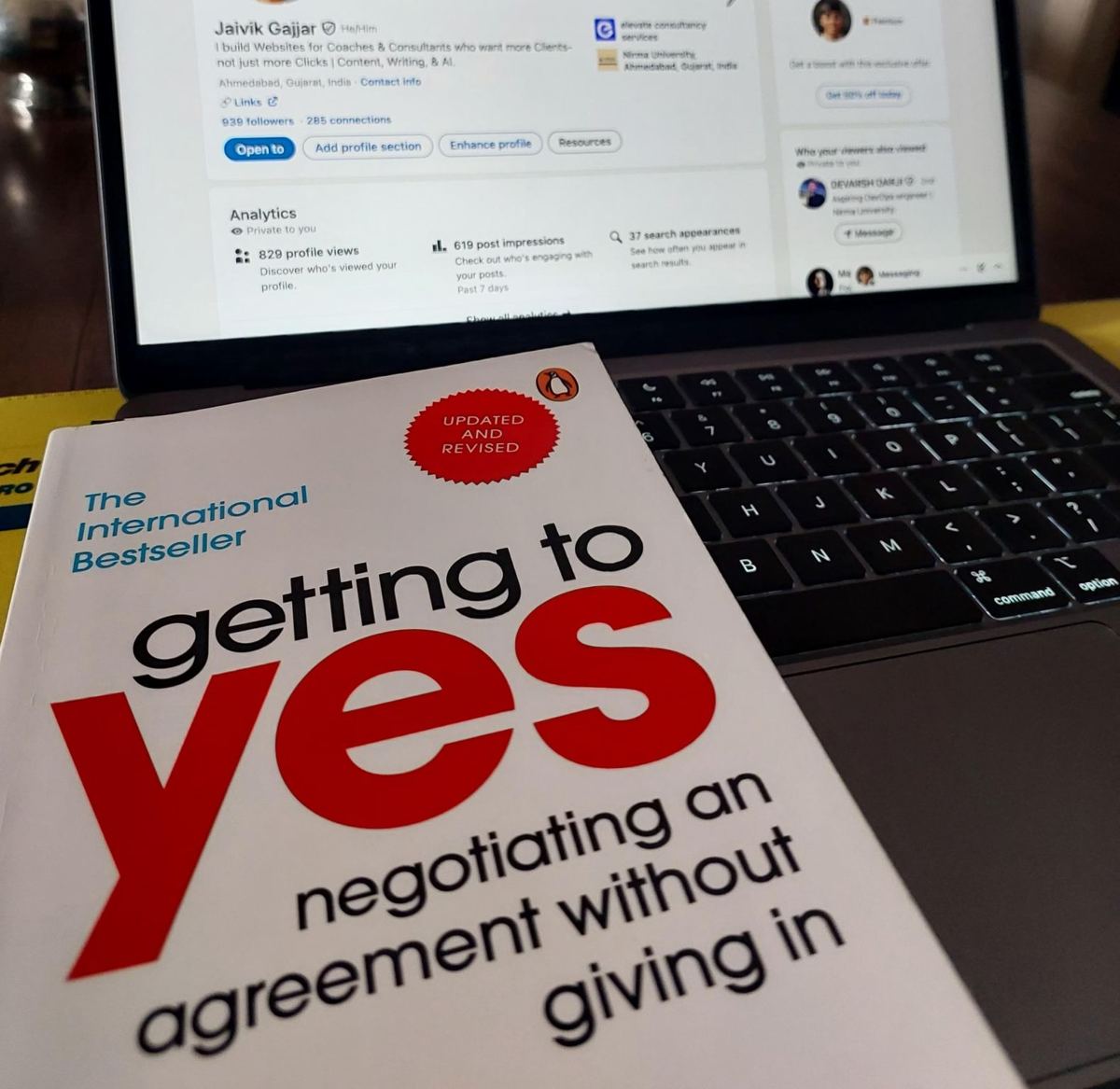
Getting comfortable with outreach
I started learning how to find businesses and decision-makers, understand who might need a service and approach them through LinkedIn.
Tools such as Sales Navigator and outreach automation platforms became part of the process. I explored how campaigns worked, how to organise prospects and how to manage conversations without losing track of them.
There was a system to learn: research, targeting, messaging, follow-up and tracking.
At first, it was easy to focus on the numbers. How many people could I contact? How many connection requests could I send? How many messages could go out in a day?
Those numbers felt measurable, and measuring activity gave me a sense of control.
But a sent message is not the same as a meaningful conversation. A connection accepted is not the same as interest. And a prospect replying does not automatically mean there is a real opportunity.
I began to understand that outreach was not just a volume game.
The difference between reaching someone and being relevant
When you send a message to a business owner, you are asking for a small part of their attention. They do not know you, and they may not be thinking about the service you are offering.
That means the message has to do more than introduce you. It has to give the other person a reason to care.
I started thinking more about targeting and relevance. Was this the right kind of business? Was the person I was contacting involved in the decision? Was there a reason this conversation made sense now? Did the message connect to something the business actually needed?
These questions mattered more than simply increasing the number of messages.
I also learned that a campaign could be organised and still not be effective. The tools could help with execution, but they could not replace a clear understanding of the market or a useful reason to start a conversation.
From sending messages to understanding sales
The biggest shift was in how I viewed lead generation.
I had initially approached it as a task: build a list, send messages and track replies. Over time, I started seeing it as one part of a larger business process.
You need to understand the service being sold, the people who might need it and the problems they are trying to solve. You need to communicate in a way that feels relevant instead of making every interaction sound like a pitch.
I was still learning. Sending more than 1,000 messages did not make me an expert in sales, but it gave me experience with the realities of outbound: the repetition, the uncertainty and the need to improve your approach.
It also made me curious about the bigger picture. If a business needs more customers, how do its brand, website, content, positioning and sales process work together?
That question moved me beyond lead generation alone.
Next chapter: I had started with design and websites, then moved towards finding clients. I was beginning to understand that both were part of a bigger picture: helping businesses grow.